
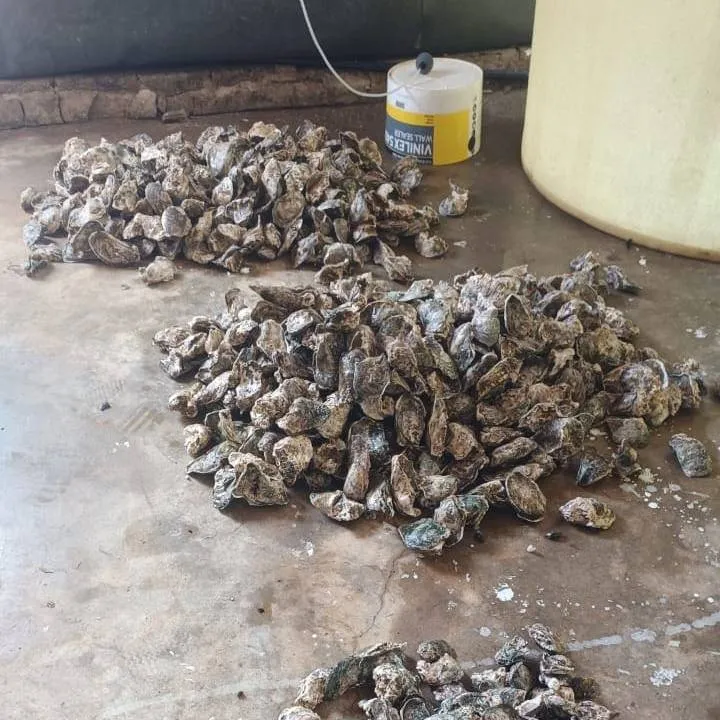
Zero-input protein
No feed, no freshwater, no fertiliser, no antibiotics. Oysters eat what is already suspended in the water column, which means the entire feed conversion problem that dogs land animal farming simply does not exist here.
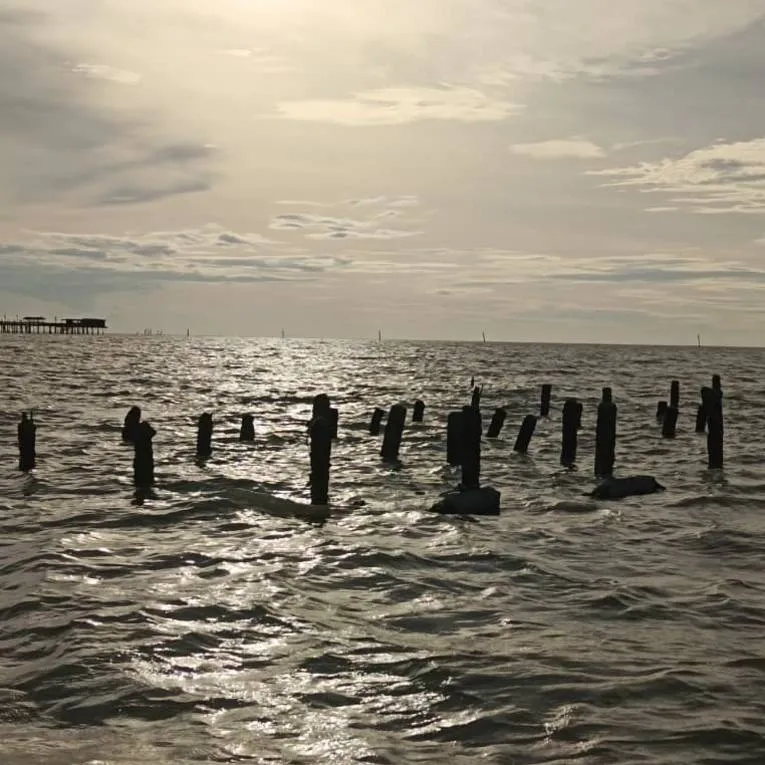
Sustainability & technology
Oysters need no feed, no freshwater and no antibiotics. Farmed properly, they leave a coastline measurably better than they found it. Farmed carelessly, they make people ill. The difference is entirely in the operating discipline.
The case for oysters
Of all the ways to produce animal protein, shellfish aquaculture is close to the least destructive available, and unusually, it is regenerative.
No feed, no freshwater, no fertiliser, no antibiotics. Oysters eat what is already suspended in the water column, which means the entire feed conversion problem that dogs land animal farming simply does not exist here.
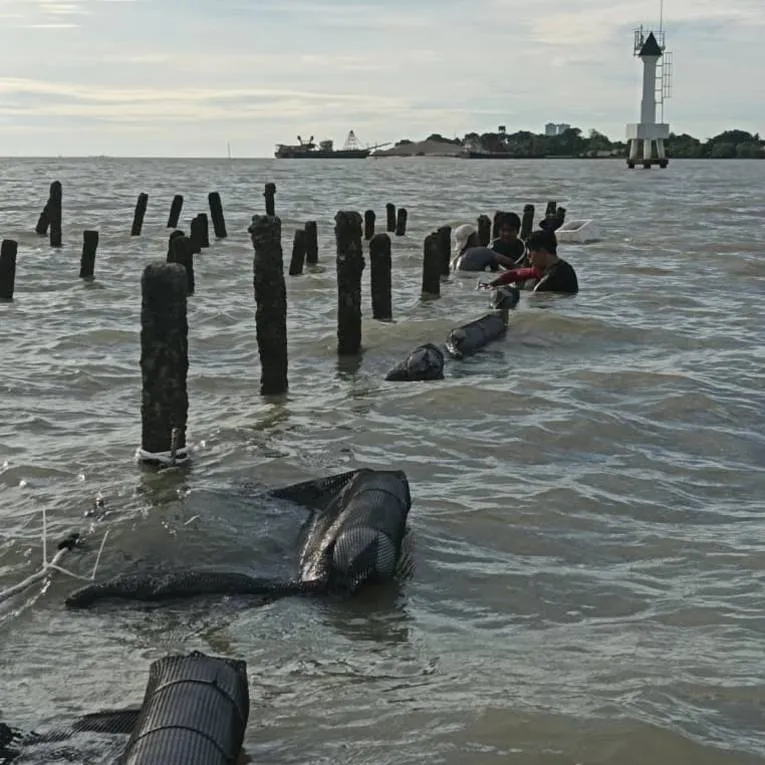
A single adult oyster filters hundreds of litres a day, stripping out excess nutrients and suspended solids. A working oyster farm is, incidentally, a water treatment plant.
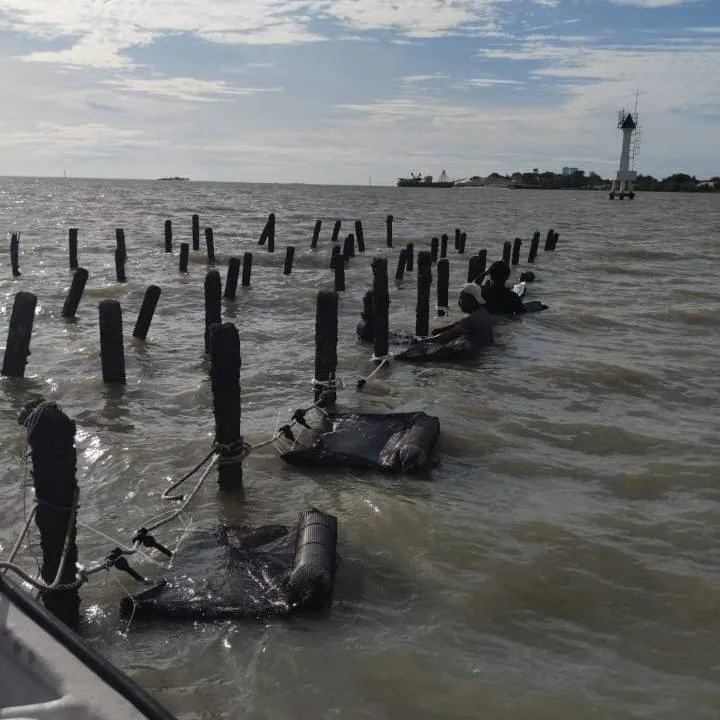
Racks, ropes and shells create the vertical structure juvenile fish and crustaceans need to hide in. Our lines hold considerably more life than the bare seabed beside them.
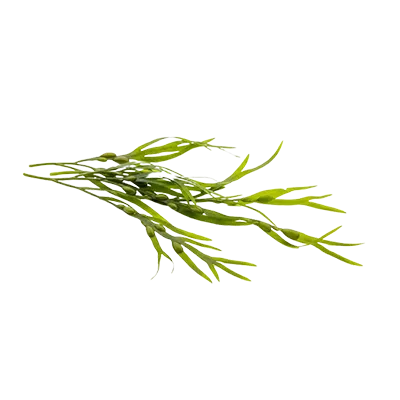
We grow seaweed on and around the oyster lines. It absorbs dissolved nutrients, buffers the water, and gives us a second crop from the same square metre of sea.
Technology
The hardest problem in tropical oyster farming is not growing them. It is knowing when not to harvest. Heavy rainfall drops salinity and flushes runoff into the bay; a temperature spike changes bacterial load overnight. Get that call wrong and you either lose product you could have sold, or ship product you should not have.
IoT water sensors run across the sites we source from, tracking salinity, temperature, tide state and rainfall continuously, and feed that history into predictive models. The system flags conditions moving out of range before they arrive, so harvest decisions are made in advance rather than in hindsight.
The measurable result is up to 30% fewer harvest shutdowns, not because we take more risk, but because we stop guessing and stop shutting down defensively when we do not have to.
Stopping the harvest before conditions leave the safe range. Four parameters are tracked continuously: salinity, water temperature, tide state and rainfall. A schematic trace drifts out of the safe range. We stop well before the crossing; a farm that only reacts stops at it. That margin is what the fewer harvest shutdowns figure describes. No readings are plotted, because the record holds none.
Achieved by predicting conditions rather than reacting to them.
Salinity, water temperature, tide state and rainfall, across every site.
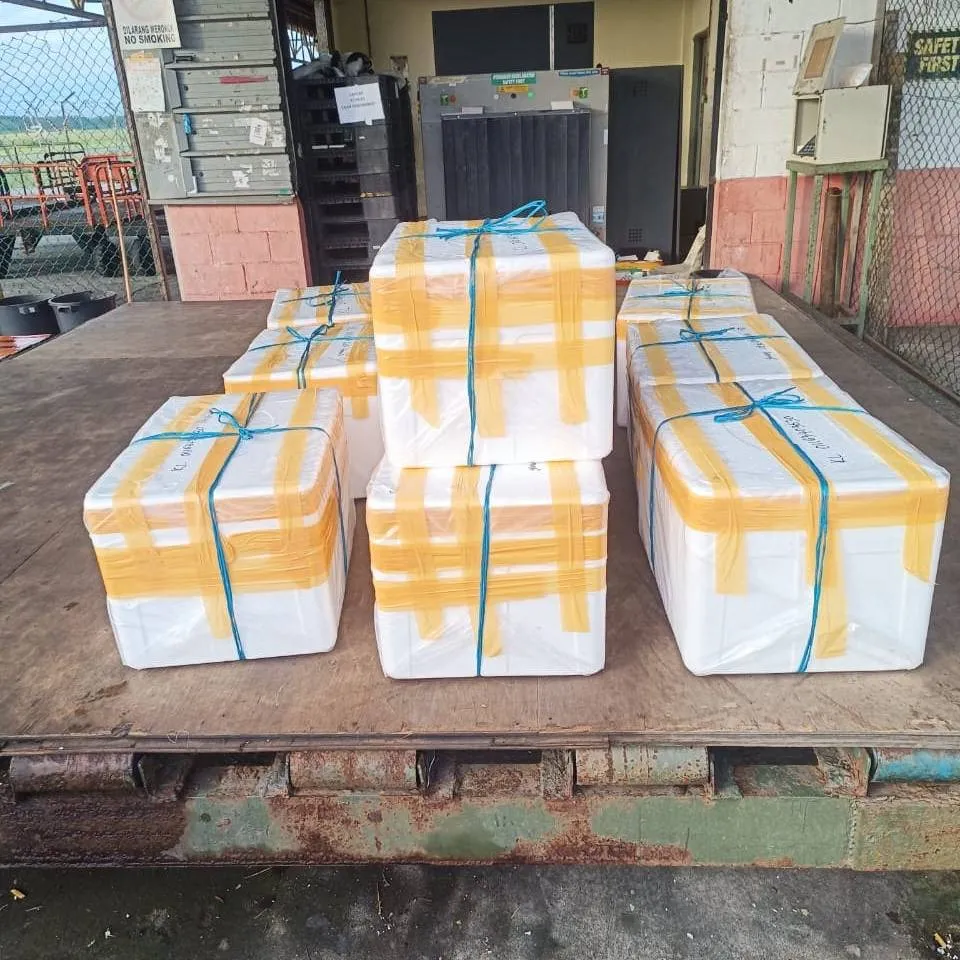
Farm, line, harvest date and depuration record travel with every box.
A daily 8am run from Tawau to KLIA, unbroken cold chain the whole way.
Food safety
Oysters are filter feeders. They concentrate whatever is in the water, which is precisely why depuration is not optional and why we will not release an untested batch, whatever the order book says.
Salinity, temperature, tide and rainfall are tracked across every site. When conditions move outside our range, harvesting stops before there is a problem to manage.
Oysters purge in filtered, UV-sterilised seawater, run to protocols drawn from Malaysian research and FAO guidance. Time in the tank is measured and logged, never estimated.
Batches are tested before release. If a batch has not been tested, it does not leave the building, and if it fails, it is destroyed rather than downgraded.
Farm, line, harvest date and depuration record are attached to every box, so any oyster on any table can be walked back to the water it grew in.
Chilled immediately after grading and held there. Live product is unforgiving of gaps, so we would rather delay a delivery than break the chain to make one.
Community
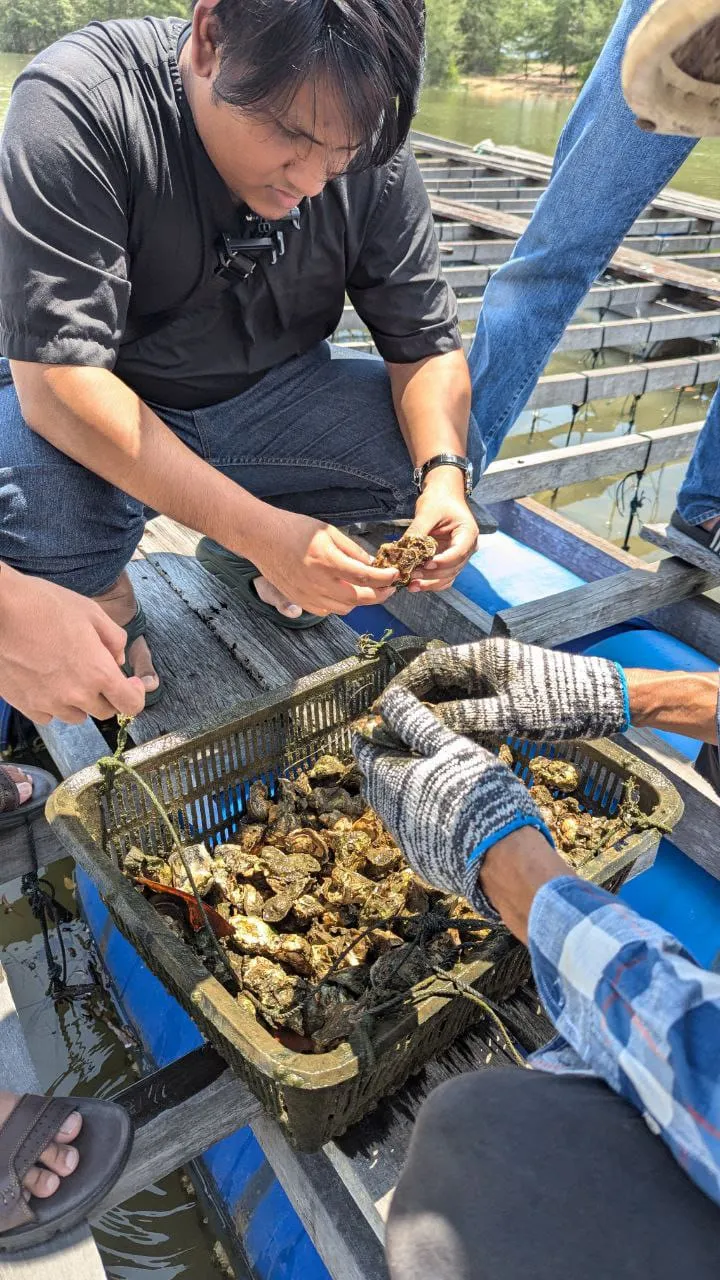
Oyster farming is labour-intensive in the best sense: it needs people, on the water, where the water is. That makes it one of the few genuinely scalable sources of good income in Malaysian coastal communities, where reliable work is scarce and the alternatives usually involve leaving.
Households on the buy back programme earn between RM 3,000 and RM 4,000 a month. For a B40 household that is not a supplement. It is a different life, and it stays in the kampung rather than being remitted back to it.
We would rather grow by bringing more households onto the water than by squeezing the ones already there. That is the entire logic of supplying spat and equipment to independent growers instead of keeping it for ourselves.
Research
We are a farm, not a laboratory, but we sit close enough to the research community to be useful to it, and honest enough to say which problems we have not solved yet.
Working with scientific institutions on triploid oysters, which stay in condition through the spawning season rather than going thin and milky. If it works at scale in tropical water, it removes the industry's biggest seasonal gap.
Consistent, disease-free spat remains the hardest constraint in Malaysian oyster farming. Every improvement we make in the hatchery, we pass on to the growers we supply.
The longer our sensor history gets, the further ahead the models can see. The goal is a reliable multi-day harvest forecast rather than a same-day warning.
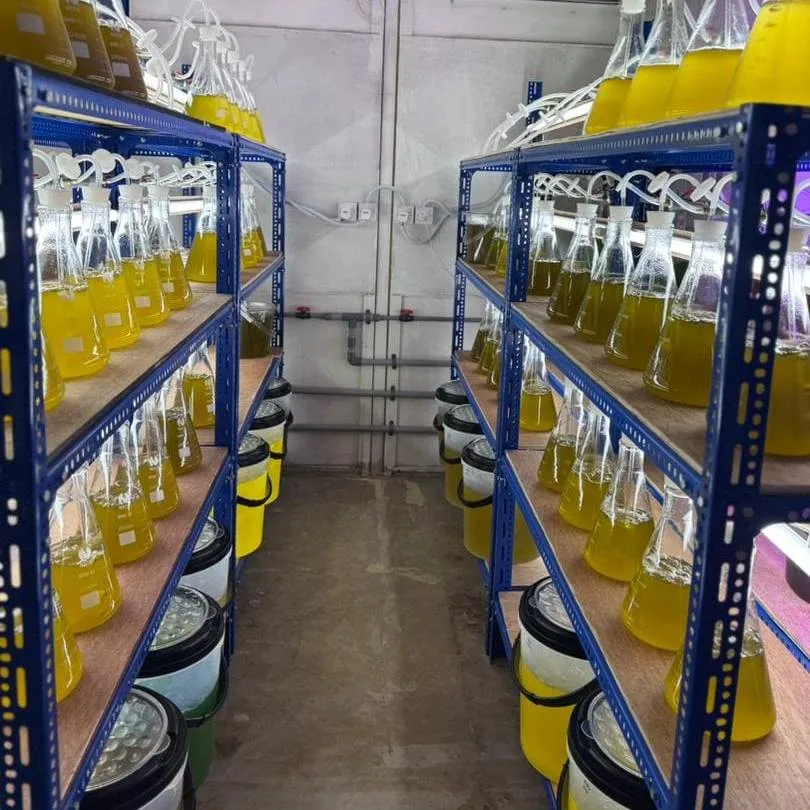
Oysters, seaweed and microalgae on the same lease, each using what the others release. Promising in principle; we are still learning what it takes to run well in practice.
Come and see
Farm visits run daily from 11:00 to 17:00, rafts, hatchery, depuration tanks and chill room, finishing with oysters shucked in front of you.