
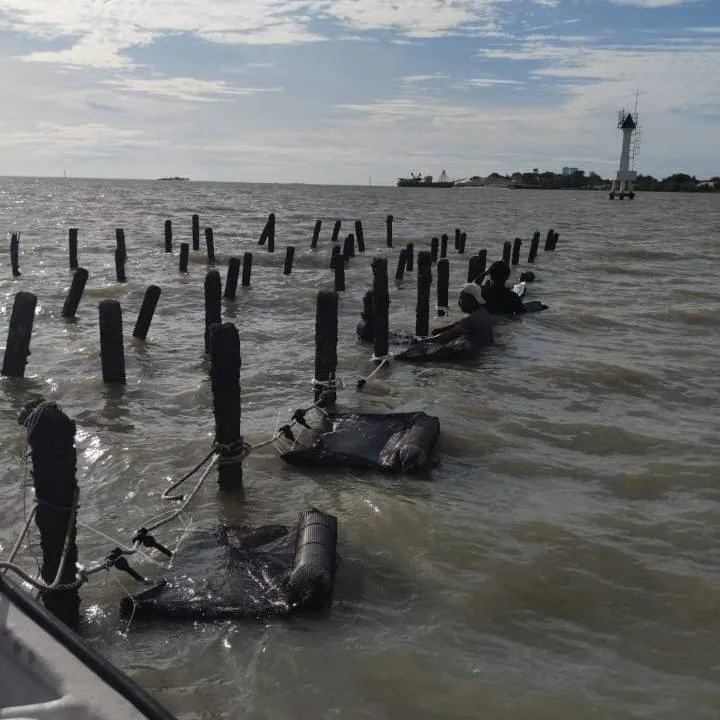
Where the oysters come from
Four sites, one partner, one standard.
Everything we sell is grown on four contract farm sites in Sabah and purged at our partner hatchery at Tawau before it flies to the Peninsula. We do not own that water and we do not pretend to. What we own is the standard it is held to and the chain it travels after it.
The sites
- Contract farm site
- Partner hatchery and depuration
- In development
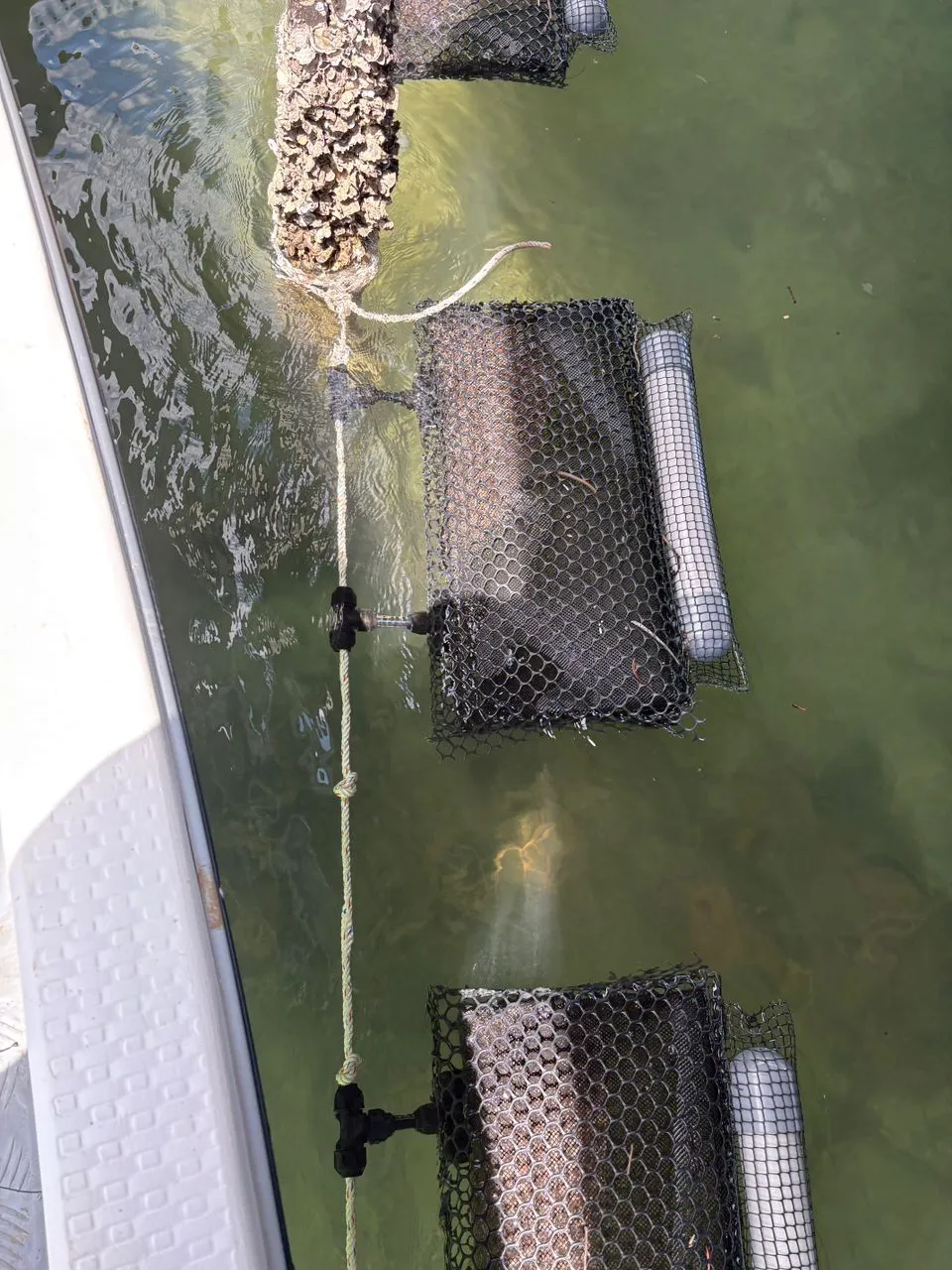
Warm tropical water
Sabah
Kunak · Bambangan · Sandakan · Tuaran · Active, the source of all supply today
All four sites are worked by contract farmers, not by us. Sea Life Aquaculture, our exclusive partner, hatches the spat at Tawau, supplies the farmers with it along with the rack and raft equipment, and buys the harvest back. Kunak and neighbouring Bambangan sit on Darvel Bay in the east, Sandakan on the bay of the same name further north, Tuaran on the west coast above Kota Kinabalu. Two coasts is deliberate: the east and west sides of the state do not get their weather at the same time, so a rough week in Darvel Bay is not a gap in supply.
Everything comes back through one place. Harvested stock is purged, graded and batch coded at the Sea Life hatchery at Tawau, then flown to KLIA on the daily morning run, where we take delivery and the cold chain becomes ours. The buy back is the part worth understanding: a contract farmer carries the work, not the market risk, which is what makes the income in this programme steady enough to plan a household around.
- Status
- Active
- Sites
- Kunak, Bambangan, Sandakan, Tuaran
- Worked by
- Contract farmers on a buy back programme
- Spat and equipment
- Supplied by Sea Life Aquaculture
- Depuration
- Sea Life hatchery, Tawau
- Method
- Rack and raft
Contract grow out, depuration at Tawau, then the cold chain is ours
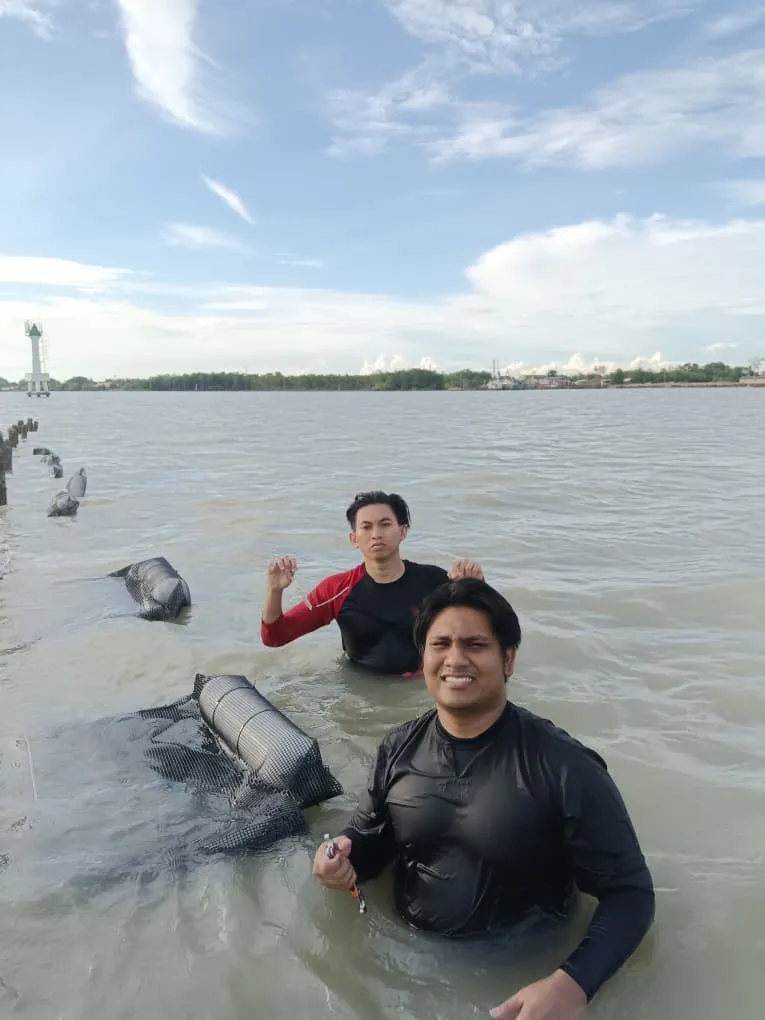
Historic shipping straits
Melaka
Straits of Melaka · In development
The Straits of Melaka are one of the busiest waterways on earth and, less famously, a strong oyster water, high tidal exchange, warm, and rich in suspended food.
Melaka will be our shortest route to the Klang Valley, which matters more than it sounds: for a live product, hours on the road are the difference between good and excellent. The west coast also has the peninsula's longest half-shell tradition, and we intend to farm in it. It is not producing for sale yet.
- Status
- In development, not yet producing
- Water
- High-exchange tidal straits
- Species
- Crassostrea belcheri
- Method
- Rack and raft
- Advantage
- Shortest run to the Klang Valley
Belcheri grow-out, peninsula distribution
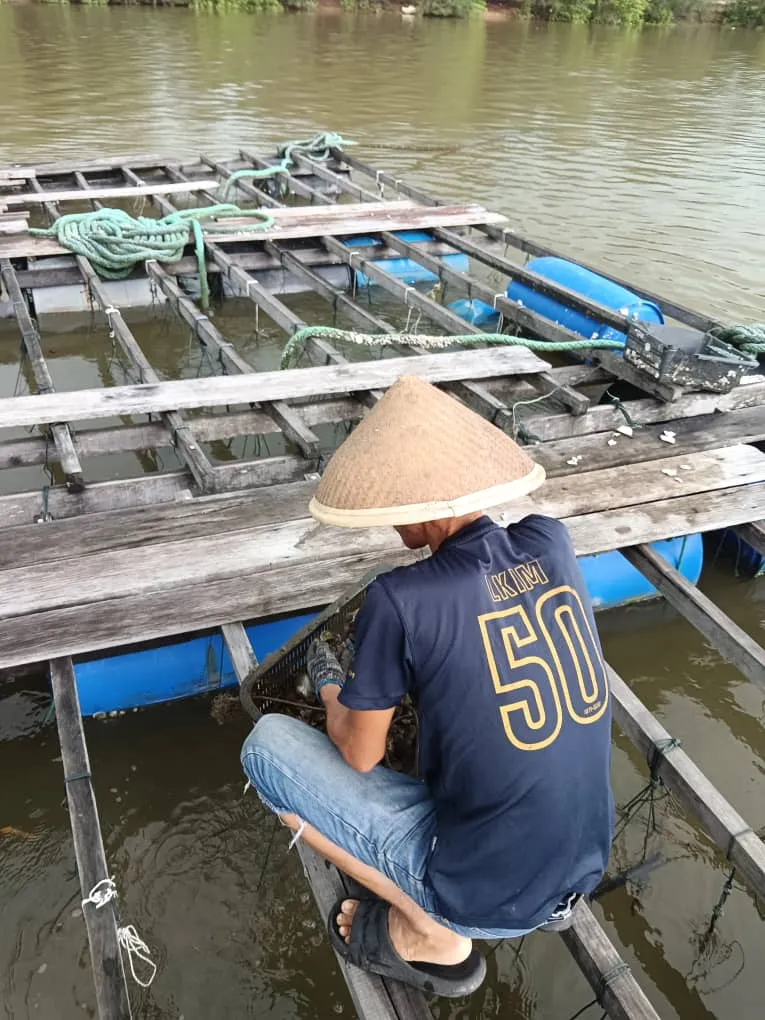
Mangrove wetlands
Setiu
Terengganu · In development
The Setiu wetlands are a long brackish lagoon on the Terengganu coast, held behind a sand spit where freshwater draining out of the interior meets the South China Sea. The water is tannin-stained, nutrient-rich and comparatively sheltered.
The argument for Setiu is timing rather than terroir. The east coast of the peninsula runs on the north-east monsoon, a different rhythm again to Sabah, so a quiet season on one coast need not become a gap for our customers. We are not making claims yet about what an oyster from this water tastes like. Everything we sell today comes from Sabah.
- Status
- In development, not yet producing
- Water
- Brackish lagoon, mangrove-fed
- Species
- Crassostrea iredalei
- Typical size
- 2.5 to 3 inch
- Method
- Rack and raft
- Advantage
- Season offset from Sabah
East-coast supply and research partnerships, once it is in the water
Come and see
Stand on the raft. Then decide.
Farm visits run daily from 11:00 to 17:00, rafts, hatchery, depuration tanks and chill room, finishing with oysters shucked in front of you.