Food Safety 3 min read
What depuration actually does, and why we won't sell an oyster without it
Depuration is the least photogenic part of an oyster farm and the most important. Here is what happens in those tanks, and why the timer matters more than the tank.
By Ocean Tide Ventures
Ask most people what makes an oyster safe and they will say something about cold storage, or freshness, or a squeeze of lime. None of those are the answer.
The answer is depuration, and almost nobody outside the industry has heard of it.
An oyster is a record of its water
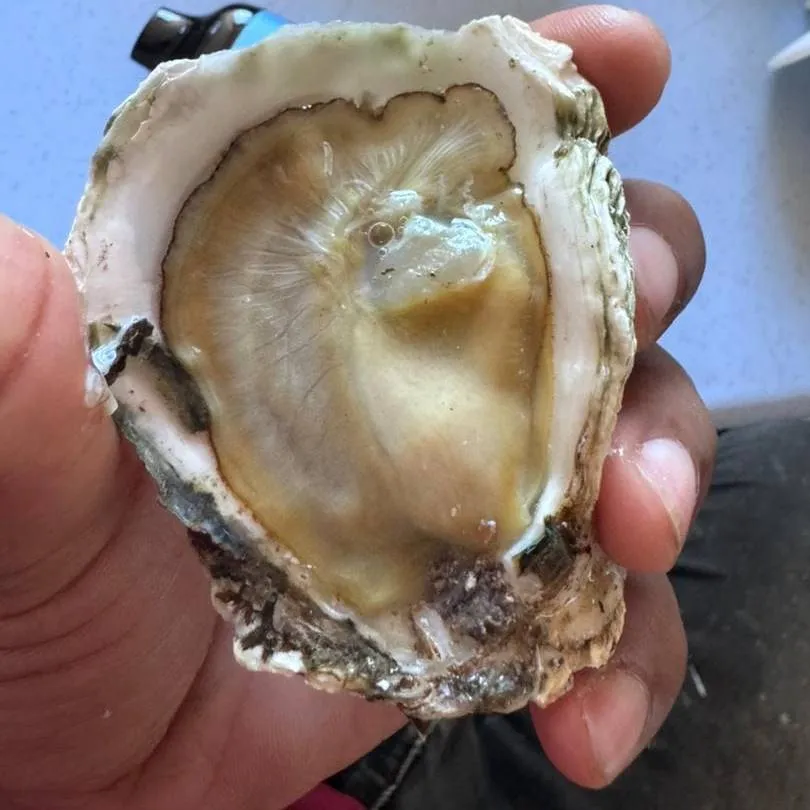
Oysters are filter feeders. An adult moves hundreds of litres of seawater across its gills every day, straining out the plankton it eats and, unavoidably, concentrating everything else that happens to be suspended in that water.
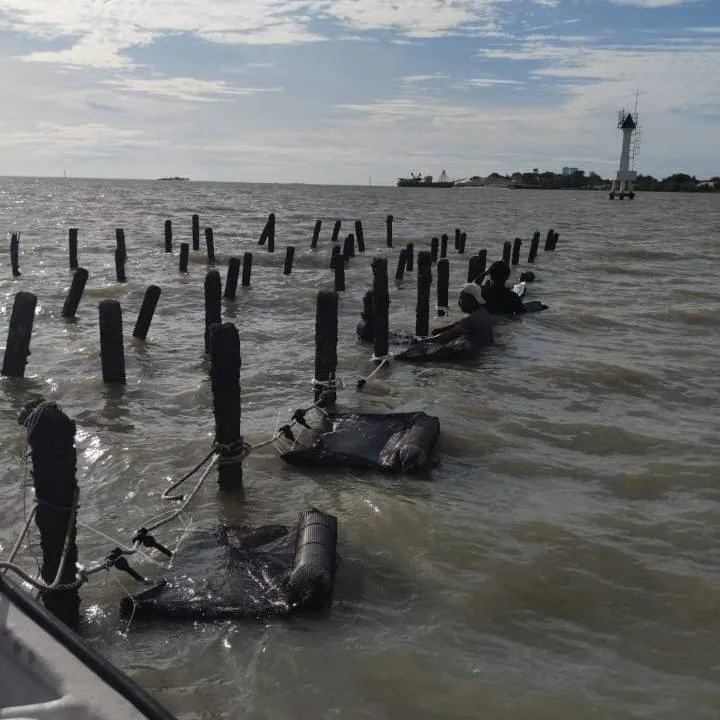
That is what makes them extraordinary for the environment, a working oyster farm is, incidentally, a water treatment plant. It is also exactly what makes them risky if you treat them casually. Whatever was in the bay that week is inside the oyster, at a higher concentration than it was in the water.
You cannot cook that problem away. Most people eat oysters raw, and even grilling does not reliably solve a bacterial load. The only real answer is to give the animal time and clean water to purge itself.
What the tanks are for
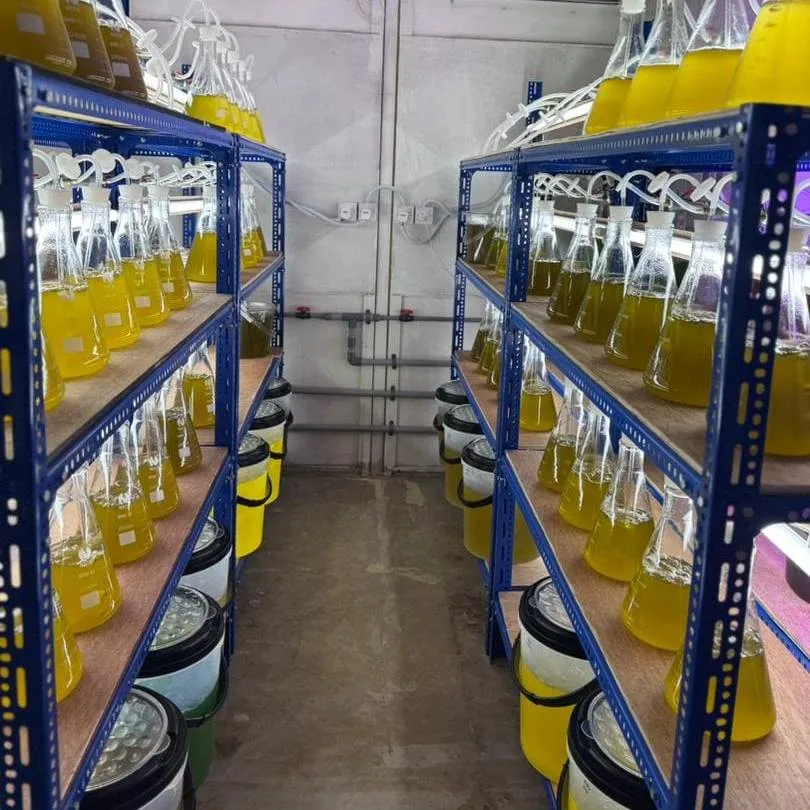
Depuration is deliberately simple. Harvested oysters go into tanks of seawater that is filtered and passed under ultraviolet light to sterilise it. The oysters carry on doing what they always do, pumping water across their gills, except now the water going in is clean.
Over the hours that follow, they flush out what they had accumulated. The tank does not clean the oyster. The oyster cleans itself. The tank just supplies the conditions.
Which is why the two things that actually matter are the ones you cannot see in a photograph:
- Water quality in the tank. Filtration and UV have to be working continuously. A depuration tank running on unsterilised water is worse than no tank at all, because it looks like diligence.
- Time. Purging is not instant. Cut the cycle short to hit a delivery and you have shipped an oyster that looks identical to a safe one.
Our protocols come from Malaysian research on local species and conditions, cross-checked against FAO guidance. Time in the tank is logged, not estimated.
The part where we say no
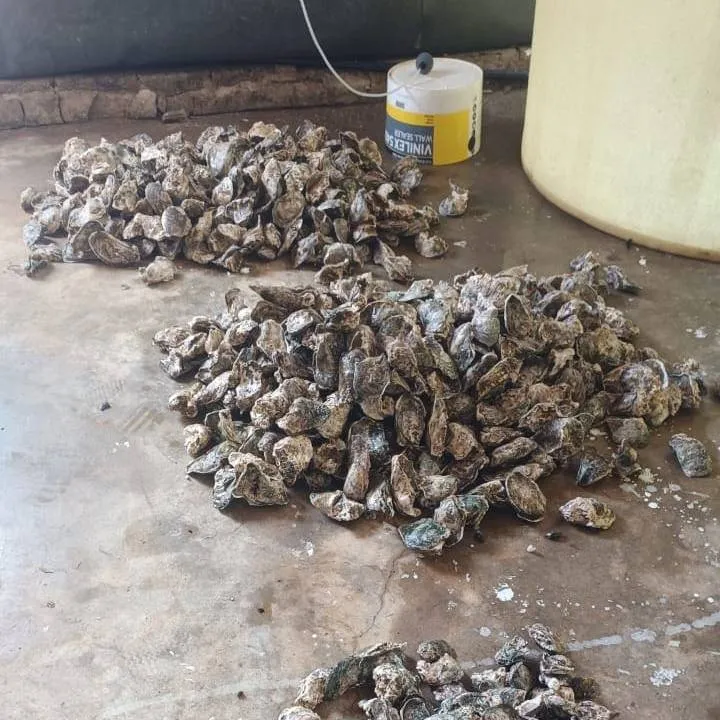
Here is the uncomfortable commercial reality. Depuration takes hours you have already spent money on. The oysters are harvested, the crew is paid, the buyer is waiting, and the product sitting in the tank looks exactly like product that is ready to go.
Every oyster business in the world faces the same temptation, and it is a genuine one: pull the batch early, ship it, nobody will know.
We test batches before release, and an untested batch does not leave the building. If a batch fails, it is destroyed, not downgraded, not sold cheap into some less demanding channel. That has cost us money and it has cost us at least one delivery we would rather have made.
It is the right trade. One bad batch does not just harm the person who eats it; it sets back public confidence in every oyster farmed in this country, including everyone else’s.
Why the batch code matters
When one of our boxes leaves the chill room it carries a code, and behind that code sits the farm, the specific line, the harvest date and the depuration record.
That is not a marketing flourish. It is what lets us answer the question that started this whole company: where, exactly, did this oyster come from? If something ever does go wrong, we can trace it to the water it grew in within minutes rather than guessing across three states.
Ask your supplier whether they can do the same. If they can, that is a good sign. If the question confuses them, that is also information.
- depuration
- food safety
- traceability