Pendidikan Tiram 3 min bacaan
Iredalei and Belcheri, Malaysia's two oysters, and how to tell them apart
We farm both of Malaysia's commercially important native oysters. They look different, taste different and want completely different things from you at the table.
Oleh Ocean Tide Ventures
Cerita ini belum diterjemahkan. Anda sedang membaca versi Bahasa Inggeris.
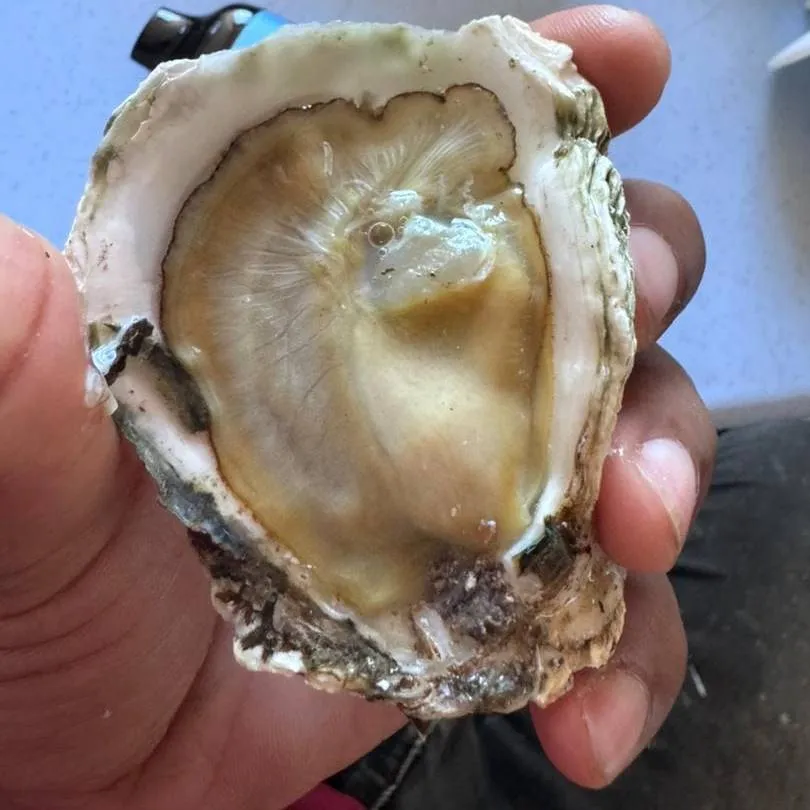
Most people who have eaten an oyster in Malaysia have eaten an import, a Pacific oyster flown in, or something farmed elsewhere in the region. Which is a shame, because we have two very good native oysters of our own, and they are not remotely the same thing.
Crassostrea iredalei, the small one
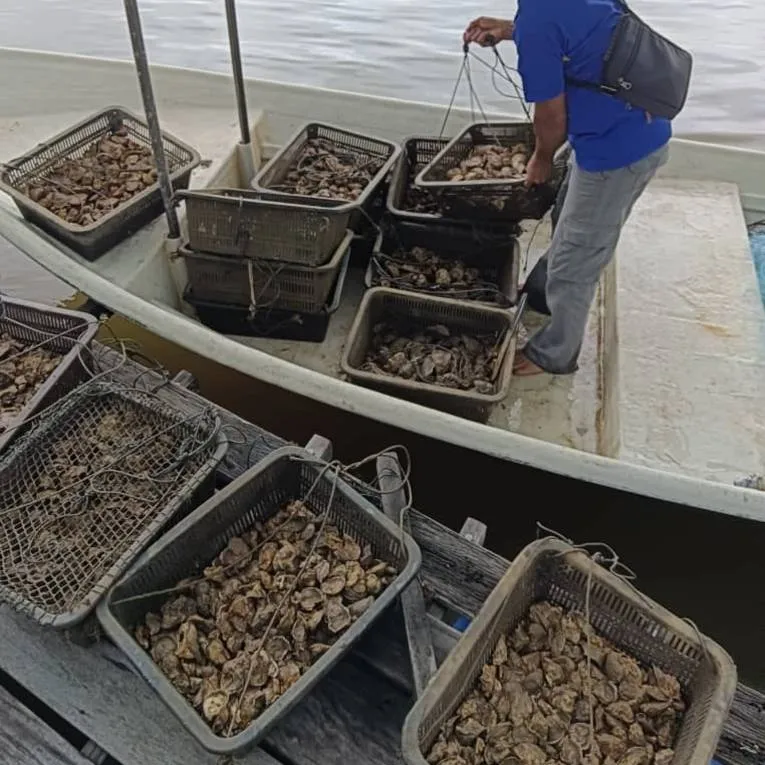
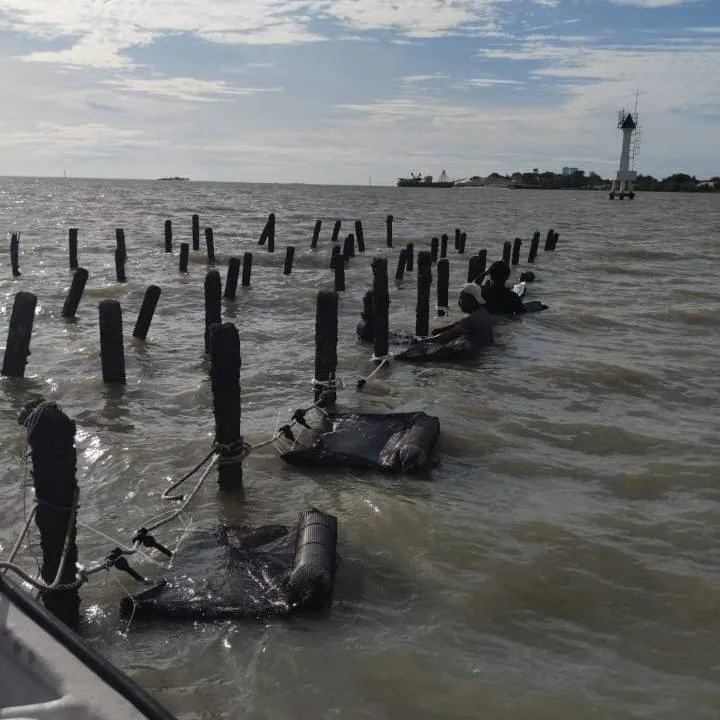
Iredalei is the oyster we grow in the Setiu wetlands in Terengganu, and it is the one we are asked for most often.
The water there is brackish and tannin-stained, draining out of the interior into a long lagoon held behind a sand spit. It is nutrient-rich but it is not warm, fast, open water, and the oyster grows slowly as a result.
Slow growth is the whole point. An Iredalei comes out at two and a half to three inches, deep-cupped, with a firm dense meat that has none of the wateriness of a shell that filled up too quickly. The flavour is mineral and clean, and it finishes short.
Restrained is the right word for it. Not shy. There is plenty there, it just does not shout. This is the oyster we hand to people who arrive convinced they do not like oysters, and it converts them more often than not.
Eat it raw. Half shell, a squeeze of lime, nothing else. Anything more is an argument with the oyster.
Crassostrea belcheri, the big one
Belcheri is what we grow off Tawau in Sabah and in the Straits of Melaka: warm water, heavy with plankton, strong tidal exchange.
An oyster in that water eats constantly and grows fast, and it shows. Belcheri starts at four inches and often runs well past six, and fills the shell with a creamy, substantial meat that is noticeably sweeter and richer than its Setiu cousin.
Its great advantage is that it can take heat. A small delicate oyster on a grill just shrinks and toughens. A Belcheri has enough mass to survive four minutes over fire and come out better for it.
Grill it. Butter, garlic, a hot fire, four minutes, done. It also eats very well raw, provided you are hungry, one Belcheri is most of a course.
Telling them apart on the plate
| Iredalei | Belcheri | |
|---|---|---|
| Size | 2.5 to 3 inch | 4 inch and above |
| Shell | Deep cup, rougher | Broader, flatter, heavier |
| Meat | Firm, dense | Creamy, full |
| Flavour | Mineral, clean, short finish | Sweet, rich, lingering |
| Our farms | Setiu | Tawau, Melaka |
| Best treatment | Raw | Grilled or baked |
Taste them side by side
The single best way to understand what water does to an oyster is to eat both in the same sitting. The species differ, yes, but so does everything about where they grew, and the gap between them is much wider than most people expect from an animal that eats nothing but what floats past.
We do exactly this at the end of every farm visit: both varieties, shucked in front of you, minutes off the line. Most visitors arrive with a preference and about half of them leave with a different one.
A note on season
Oysters go through a spawning season, and a spawning oyster puts its energy into reproduction rather than into being good to eat. The meat goes thin and milky. This is normal, not a defect, and any honest supplier will tell you when it is happening rather than shipping you a disappointing box.
It is also why we are working with research institutions on triploid oysters, which stay in condition through that window. If that works reliably in tropical water it removes the biggest seasonal gap in this industry, for everyone, not just for us.
- varieties
- tasting
- iredalei
- belcheri