Pendidikan Tiram 3 min bacaan
Getting a box of live oysters home without ruining them
Most oysters that disappoint were fine when they left us. Here is how to store, shuck and serve them so you taste what you actually paid for.
Oleh Ocean Tide Ventures
Cerita ini belum diterjemahkan. Anda sedang membaca versi Bahasa Inggeris.

We ship live oysters. That means the last few hours of their life are in your hands, and it is genuinely easy to undo a good oyster in the first ten minutes after you get the box open.
None of this is difficult. It is just not obvious.
Storage: cold, damp, and able to breathe
Three rules, and one of them kills more oysters than the other two combined.
Keep them between 2 and 8 °C. Normal fridge temperature. Not the freezer: freezing kills them and ruins the texture on the way back.
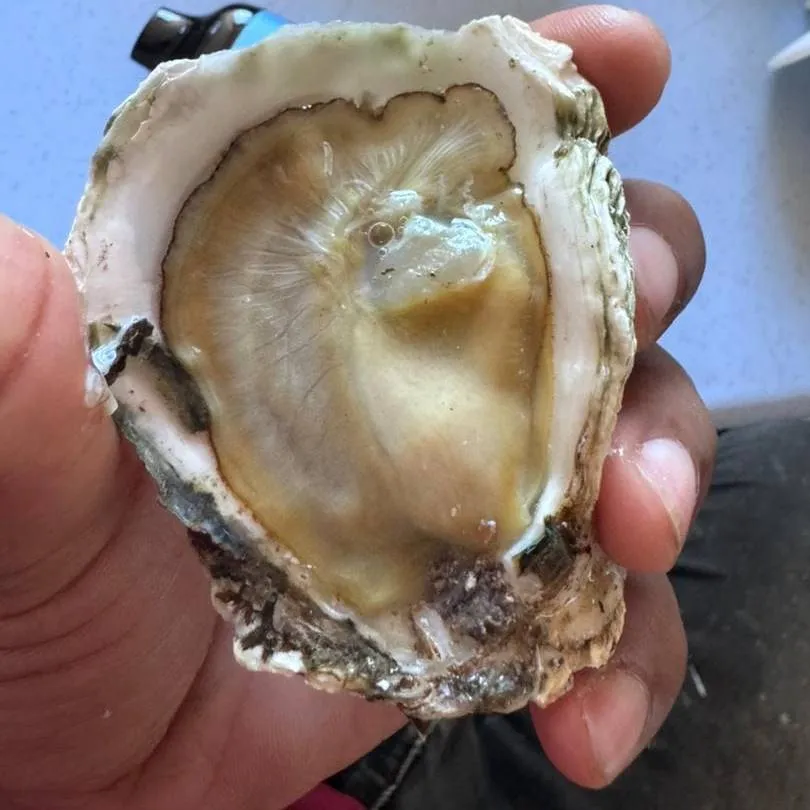
Store them flat, cupped side down. Each oyster is holding its own liquor in the deep half of the shell. Stand them on edge or upside down and it drains out. Flat, cup down, and they keep it.
Let them breathe, and this is the one people get wrong. Cover the box with a damp cloth or damp newspaper. Do not seal them in a plastic bag or an airtight container, and never, ever put them in fresh water. They are alive. Sealed plastic suffocates them and fresh water kills them outright.
Eat them within two to three days of delivery. They will often last longer. They will not be as good.
Which ones to throw away
An oyster should be closed, or should close when you tap it. A shell that stays open and does not respond is dead, bin it, and do not be sentimental about the one you paid for.
After shucking, use your nose. A good oyster smells like clean seawater. Anything sour, sulphurous or ammoniac goes straight in the bin. This almost never happens with properly depurated and cold-chained product, but it costs nothing to check and the downside is a genuinely bad evening.
Shucking without stabbing yourself
You need a proper oyster knife, short, thick, blunt-tipped. A kitchen knife is the wrong tool and it will snap or slip.
You also need a folded tea towel, which is worth more than the knife.
- Fold the towel and lay the oyster on it, cupped side down, flat side up. Hold it through the towel. Your hand should never be in front of the blade.
- Find the hinge, the pointed end where the two shells meet.
- Work the tip into the hinge and twist. Do not stab and do not lever with force. The hinge pops; you will feel it give.
- Slide the blade along the underside of the flat top shell to cut the adductor muscle, then lift the top shell away.
- Run the blade underneath the meat to free it from the bottom shell, so whoever is eating it does not have to fight for it.
Slow is fast here. The people who shuck quickly are not rushing; they have just done it ten thousand times.
The liquor trick
Tip out the first liquor after shucking and give the oyster thirty seconds. It refills from the animal itself.
The second liquor is cleaner, sweeter, and free of the shell grit you inevitably introduce while opening it. This one small habit does more for a plate of oysters than any garnish.
Serving: do less
An Iredalei wants a squeeze of lime. That is the whole recipe. It is a clean, mineral, restrained oyster and everything you add is something you are covering up.
A Belcheri has the size and the richness to take heat: butter, garlic, a hot grill, about four minutes, until the edges just ruffle. It is also excellent raw if you are hungry.
If you are reaching for a heavy sauce, ask what it is hiding. With a properly farmed, properly purged oyster the answer should be nothing.
- storage
- shucking
- serving